-
×
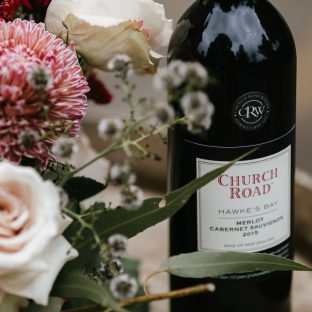
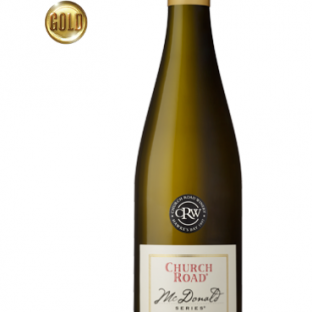
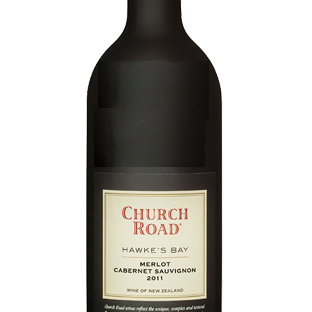
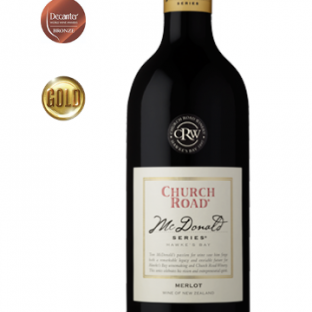 Church Road McDonald Series Merlot 750ml
1 × $30.00
Church Road McDonald Series Merlot 750ml
1 × $30.00
Subtotal: $30.00
A Chianti wine (/kiˈænti/, also US: /-ˈɑːn-/, Italian: [ˈkjanti]) is any wine produced in the Chianti region of central Tuscany. It was historically associated with a squat bottle enclosed in a straw basket, called a fiasco (“flask”; pl. fiaschi). However, the fiasco is only used by a few makers of the wine as most Chianti is now bottled in more standard shaped wine bottles.
Baron Bettino Ricasoli (later Prime Minister of the Kingdom of Italy) created the Chianti recipe of 70% Sangiovese, 15% Canaiolo and 15% Malvasia bianca in the middle of the 19th century.
Since 1996 the blend for Chianti and Chianti Classico has been 75–100% Sangiovese, up to 10% Canaiolo and up to 20% of any other approved red grape variety such as Cabernet Sauvignon, Merlot or Syrah. Since 2006, the use of white grape varieties such as Malvasia and Trebbiano have been prohibited in Chianti Classico. Chianti Classico must have a minimum alcohol level of at least 12% with a minimum of 7 months aging in oak, while Chianti Classicos labeled riserva must be aged at least 24 months at the winery, with a minimum alcohol level of at least 12.5%. The harvest yields for Chianti Classico are restricted to no more than 7.5 t/ha (3 tonnes per acre). For basic Chianti, the minimum alcohol level is 11.5% with yields restricted to 9 t/ha (4 tonnes per acre).
The aging for basic Chianti DOCG is much less stringent with most varieties allowed to be released to the market on 1 March following the vintage year. The sub-zones of Colli Fiorentini, Montespertoli and Rufina must be aged for a further three months and not released until 1 June. All Chianti Classicos must be held back until 1 October in the year following the vintage.
Jancis Robinson notes that Chianti is sometimes called the “Bordeaux of Italy” but the structure of the wines is very different from any French wine. The flexibility in the blending recipe for Chianti accounts for some of the variability in styles among Chiantis. Lighter bodied styles will generally have a higher proportion of white grape varieties blended in, while Chiantis that have only red grape varieties will be fuller and richer. While only 15% of Cabernet Sauvignon is permitted in the blend, the nature of the grape variety can have a dominant personality in the Chianti blend and be a strong influence in the wine.
Denominazione di Origine Controllata e Garantita
Area of production: The hilly zones in Vinci, Cerreto Guidi and surrounding areas
Grapes: Sangiovese 85%, Merlot 10%, other red grapes 5%
Vinification and maturation: Maceration on the skins takes place during fermentation and lasts approximately 8 days. Fermentation takes place at a controlled temperature of 28-29°C. Frequent pumping over and delastages are made to ensure an intense and persistent fruit aroma. The wine is stored until March in thermo-conditioned tanks
Tasting notes: Purple-red in colour, and intense. On the nose it is persistent, characterized by perfumes of cherries mingled with gentle spicy notes, especially black pepper. Agreeable and long on the palate, it shows a good structure and an evident finesse
| Weight | 6 kg |
|---|---|
| Wine Brand/Winery | |
| Price Range | |
| Wine Region/Country | |
| Wine Size | |
| Wine Varietal |